
Music Pro Mix network is a platform for Artists, Producers, Filmmakers, Musicians, online Mixing and Mastering Engineers

Choosing Tripods For Cameras
There are loads of different tripods for cameras available on the market. If you were taking pictures for some time, no doubt you've started to realise how handy a superb tripod would be. But tripods are yet another expense, and there isn't any point rushing along with an investment that happens to be inappropriate. So make sure you know the dimensions and main specifications you might need.
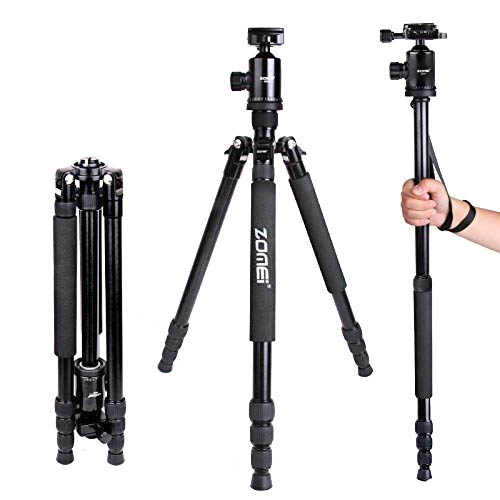
Let's look at the main element areas to consider:
1. Weight Limit. Don't be among the people who plan to spend less on a tripod that supports less weight, only to find their beefy DSLR is too much for it to manage and cannot take place steady!
A tripod's basic mission statement should be to hold a video camera firm, so it remains perfectly still during exposure. You cannot assume all tripods are created the same and they also each come with a stated weight limit. Be sure to see how much you weighs before purchasing a tripod.
This is especially important an advanced keen landscape photographer and take a lot of pictures outside. A DSLR attached with a tripod suitable for a tight digicam will sway around at the vaguest hint of wind. So weight limit is often a key point when selecting tripods for cameras.
2. Head. Your head may be the top portion of the tripod that the camera attaches to. Luckily, tripods in many cases are available with interchangeable heads, so that a selection of cameras can fit in their mind. But do make certain that the head of any tripod won't exclude the digital camera you have, since this can often be the truth.
Would you choose to notion of a pan/tilt head or even a ball socket head? The former moves around in vertical and lines of horizontal type, panning from side to side and tilting along. The latter provides more freedom. You'll be able to rapidly alter the direction how the camera is pointing and swing it around in single movements. I'd recommend a ball socket head for wildlife and sports photographers.
3. Size and height. In choosing tripods for cameras, seek out one who extends at least up to your eye level. It can be this kind of nuisance - and finally seriously painful (!) - needing to stoop down to peer with the viewfinder to create each shot.
Don't fret should you be tall and so are concerned about how big tripod you'll turn out needing to tote around! They collapsible at little joints inside legs and, sometimes become fairly compact. Some shrink right down to an extremely manageable size, whilst others remain a modest amount of a burden.
4. Material. Tripods for video cameras are generally either aluminum or carbon fibre. Aluminum may be the heavier, but the cheaper. That is a possible downside you'll need to choose. Just what is the priority - low cost or low weight?
For anyone who is gear laden maybe searching for tripods for digital camera models made from graphite would have been a great idea. They're just as strong and supportive as being the aluminum designs, but quicker to carry.
5. Mini tripod? Are you simply searching for any tiny little tripod to back up a compact camera? You can acquire mini tripods which may have flexible legs which can be attached to just about anything, at any height, and complete a best wishes. They're called gorillapods(!) and are also not thay hard to discover.
So camera tripods are an easy way to further improve your photographic prowess! All the best . in locating one i hope these guidelines were useful.
For additional information about best monopod view our new resource: click